
Good property management shows up in what you don’t have to think about. It means rent arrives on schedule, maintenance gets handled before it becomes a bigger problem, your reporting is clear enough to trust without a phone call, and small issues never reach you as emergencies. If you’re chasing your manager for updates, that’s the signal something isn’t working.
Most owners can’t actually describe what good management looks like. They know what bad management feels like, a missed call, a maintenance request that sat for two weeks, a financial report that doesn’t match what hit your bank account. But good management is quieter than that, and quieter is exactly the point.
I’ve sat across the table from a lot of owners who left a previous manager, and almost none of them left because the rent check bounced. They left because they stopped trusting the process. They didn’t know what was happening at their property until something had already gone wrong. That’s the real dividing line between property managers who are good and the ones who are just collecting a fee.
It Starts With Communication You Don’t Have to Chase
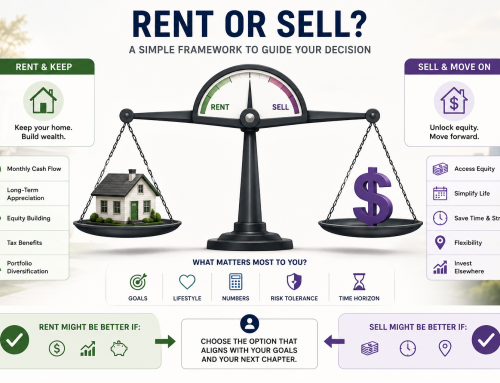
A landlord manages a property. An asset owner manages a portfolio. The distinction sounds small, but it changes almost every decision: which repairs get prioritized, how rent gets set, whether to buy the next property at all.
When an owner is the one fielding every call and chasing every late payment, decisions get made reactively, around whatever fire is burning that week. When a professional team handles operations, the owner gets to step back and think like an investor: which property is underperforming, where the next opportunity is, whether it’s time to refinance or sell. That shift in attention, from daily tasks to portfolio strategy, is where the wealth-building actually starts.
Good property management is the thing you stop noticing, because nothing is going wrong loudly enough to demand your attention.
Maintenance That Protects the Asset, Not Just Patches It
There’s a difference between a management company that fixes things when tenants complain and one that’s actively protecting your asset. The first approach is called break-fix. The second is preventive, and it’s the more expensive one to build but the cheaper one to run.
A good manager sets a repair approval threshold with you upfront, so small repairs get handled immediately without a round of phone tag, while anything above that number comes to you first. They also run inspections on a schedule, not just when something feels off. That’s how a $200 fix gets caught before it becomes a $4,000 fix.
Vendor quality matters here too. A property manager with an established network of licensed, insured contractors will get faster response times and fairer pricing than an owner calling around cold. If your manager’s answer to “who fixed this” is a name with no license number attached, that’s worth asking more about.
Financial Reporting You Can Actually Trust
Your monthly statement should tell a clear story: what came in, what went out, and why. If you need a phone call to understand your own numbers, the reporting isn’t doing its job. Good property managers build statements that a first-time landlord and a twenty-year investor can both read without translation.
Most owners pay 18 to 20% of gross rent in year one once leasing fees, setup costs, and renewal fees are added to the base management percentage, then closer to 12% in renewal years. A manager who explains that breakdown clearly, before you sign, is showing you the kind of transparency that should carry through into every monthly statement afterward. One who buries add-on fees until they show up on a statement is telling you something about how the rest of the relationship will go.
Screening and Leasing That Actually Reduces Risk
Filling a vacancy fast feels good. Filling it with the wrong tenant costs far more than the extra week of vacancy would have. Good property management treats screening as risk management, not a box to check, verifying income, checking rental history with actual previous landlords instead of just references the applicant chose, and running background checks consistently across every applicant, every time.
Consistency is the part owners underestimate. A manager who screens carefully for one applicant and loosely for another isn’t just taking on more risk, they’re exposing you to fair housing complaints. Good management means the same standard applies every time, documented the same way every time.
Good vs. Mediocre Management: How to Tell the Difference
| What You’re Evaluating | Good Property Management | Mediocre Property Management |
|---|---|---|
| Maintenance requests | Same-day acknowledgment, clear timeline given | Days of silence before any response |
| Owner communication | Proactive updates before you ask | You find out after the fact |
| Financial reporting | Clean, itemized, matches your bank deposits | Vague categories, numbers don’t reconcile easily |
| Tenant screening | Consistent criteria applied to every applicant | Inconsistent, rushed to fill the vacancy |
| Repair thresholds | Set upfront, respected in practice | Constant calls for approvals under $100 |
| Vendor network | Licensed, insured, established relationships | Whoever answered the phone first |
| After-hours coverage | Real emergency line, real response | Voicemail that gets checked Monday |
The pattern across every row is the same. Good management is a system built before problems happen. Mediocre management is improvisation after they do.
When to Use Full-Service Management vs. When Self-Managing Still Works
Self-managing can still make sense when:
- You own one property, live close to it, and genuinely have the time each month
- You’re comfortable with landlord-tenant law and fair housing compliance in your specific municipality
- You don’t mind being reachable for maintenance calls at inconvenient hours
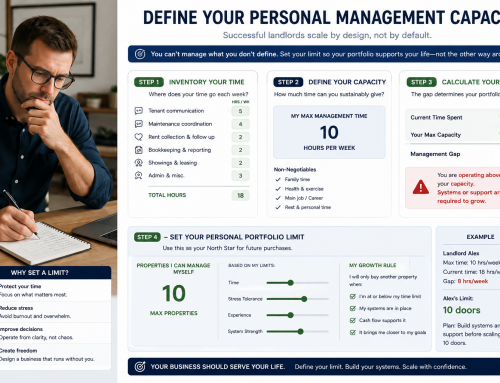
If none of those three are consistently true, the math usually stops working in your favor. Research on self-management costs puts the average time commitment at 10 to 20 hours a month per property, which at almost any professional hourly rate exceeds what a management fee would cost.
Full-service management makes more sense when:
- You own multiple properties or are actively growing your portfolio
- You live out of state, or your schedule doesn’t allow for reliable same-day response
- You want consistent screening, documented processes, and financial reporting built for tax season
The owners who benefit most from professional management aren’t the ones in crisis. They’re the ones who want their time back before burnout forces the decision for them.
Getting Started: A Few Things Worth Knowing Before You Evaluate a Property Manager
Does hiring a property manager actually pay for itself?
For many owners, yes. Reduced vacancy time, optimized rent pricing, and vendor discounts can offset the management fee and add to net income, not just cover the cost of the service.
How does property management create wealth if the owner is paying a fee?
The fee buys back time and reduces risk, both of which protect returns. An owner who isn’t spending weekends on maintenance calls has more capacity to grow the portfolio, and an owner with fewer compliance mistakes avoids costly legal exposure.
How many hours do most landlords spend managing their properties?
Around 43.8% of landlord-managed properties take the owner less than 4 hours a month under normal conditions, though that number rises significantly during vacancies, maintenance emergencies, or tenant disputes.
Is property management worth it for just one rental property?
It depends on the owner’s time, location relative to the property, and comfort with legal and financial risk. Owners with multiple properties or limited time nearby tend to see the clearest return.
What’s the difference between a “landlord” mindset and an “asset owner” mindset?
A landlord mindset focuses on the day-to-day tasks of running a property. An asset owner mindset focuses on portfolio-level decisions, like when to refinance, when to buy, and which property is underperforming, which requires stepping back from daily operations.
Can professional management help a portfolio scale faster?
Yes. Without systems in place, most self-managing owners hit a capacity wall around two or three properties. Professional management removes that ceiling by handling the operational load that would otherwise eat into the owner’s time.
How Rentwell Helps Owners Make This Shift
This is the exact shift Rentwell builds for owners across Philadelphia and Pittsburgh: leasing systems that fill vacancies on a predictable schedule, a maintenance program that catches issues before they get expensive, and owner reporting that answers the question before it gets asked. Owners get their hours back, and they get them back with a clearer picture of how each property is actually performing.
If self-managing is starting to feel like a second job instead of an investment, a second set of eyes on the setup costs nothing.
Rentwell is a full-service property management company serving Philadelphia, Pittsburgh, West Chester, and the surrounding Pennsylvania communities. With offices in Clifton Heights, Pittsburgh, and West Chester, Rentwell helps real estate investors protect their assets, reduce operational stress, and build long-term wealth through professional property management.