A preventive maintenance schedule for a rental property should include monthly HVAC filter checks, bi-annual professional HVAC servicing (spring and fall), an annual full property inspection, seasonal exterior and gutter checks, and quarterly plumbing walk-throughs for older properties. Reactive repairs, made only after something breaks, typically cost 3 to 5 times more than the same work done on a planned schedule.
Every landlord has a story about the repair that could have been prevented. A water heater that gave warning signs for months before it finally failed on a Friday night. An HVAC system that limped along on a dirty filter until the compressor gave out in the middle of a heat wave. None of these are bad luck exactly. They’re the predictable cost of treating maintenance as something you respond to instead of something you schedule.
The math on this is not subtle. According to research on rental property maintenance economics, reactive repairs run three to five times the cost of the same work done proactively, once you account for emergency service premiums, secondary damage, and lost rent from an extended vacancy while a bigger fix gets sorted out. A real schedule, followed consistently, is the cheapest insurance policy available to a rental property owner.
Monthly: The Small Habit That Prevents the Big Failure
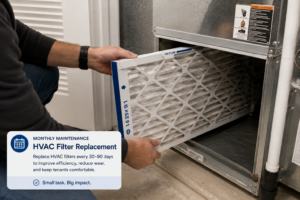
Dirty filters are consistently identified as the single most common cause of HVAC failure and higher utility bills in rental properties. A filter check, and replacement where needed, should happen monthly, with the actual replacement frequency depending on filter size and occupancy, generally every 30 to 90 days depending on the filter type. This is the cheapest line item on the entire schedule, and the one most consistently skipped once a property has a tenant in place rather than an owner checking in directly.
Either handle this directly on a set schedule, or provide tenants with the correct filters and clear instructions for replacing them themselves. Either approach works. The failure mode is having no system at all, where the filter only gets attention once someone notices reduced airflow, by which point the system has already been working harder than it should have for weeks or months.
Bi-Annual: Professional HVAC Servicing Before Each Season
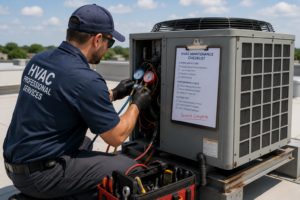
Schedule professional HVAC servicing twice a year, once before cooling season and once before heating season. This is where a technician catches the issues a filter change alone won’t reveal, refrigerant levels, coil condition, thermostat calibration, and early signs of compressor wear. According to research, one multi-family owner in a cold climate reported a 60% reduction in emergency HVAC calls after implementing a strict bi-annual professional maintenance schedule across their portfolio.
That reduction matters beyond the repair cost itself. An emergency HVAC call, especially a no-heat call in winter or no-AC call during a heat wave, is exactly the kind of disruption that damages the tenant relationship and increases the odds of a non-renewal, regardless of how quickly it gets resolved.
The filter you don’t change today is the compressor you’re replacing next summer, at emergency rates, during the exact week your tenant needed the AC working most.
Annual: The Full Property Inspection
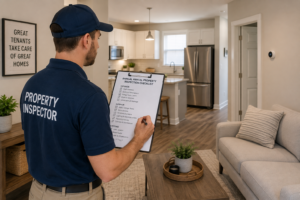
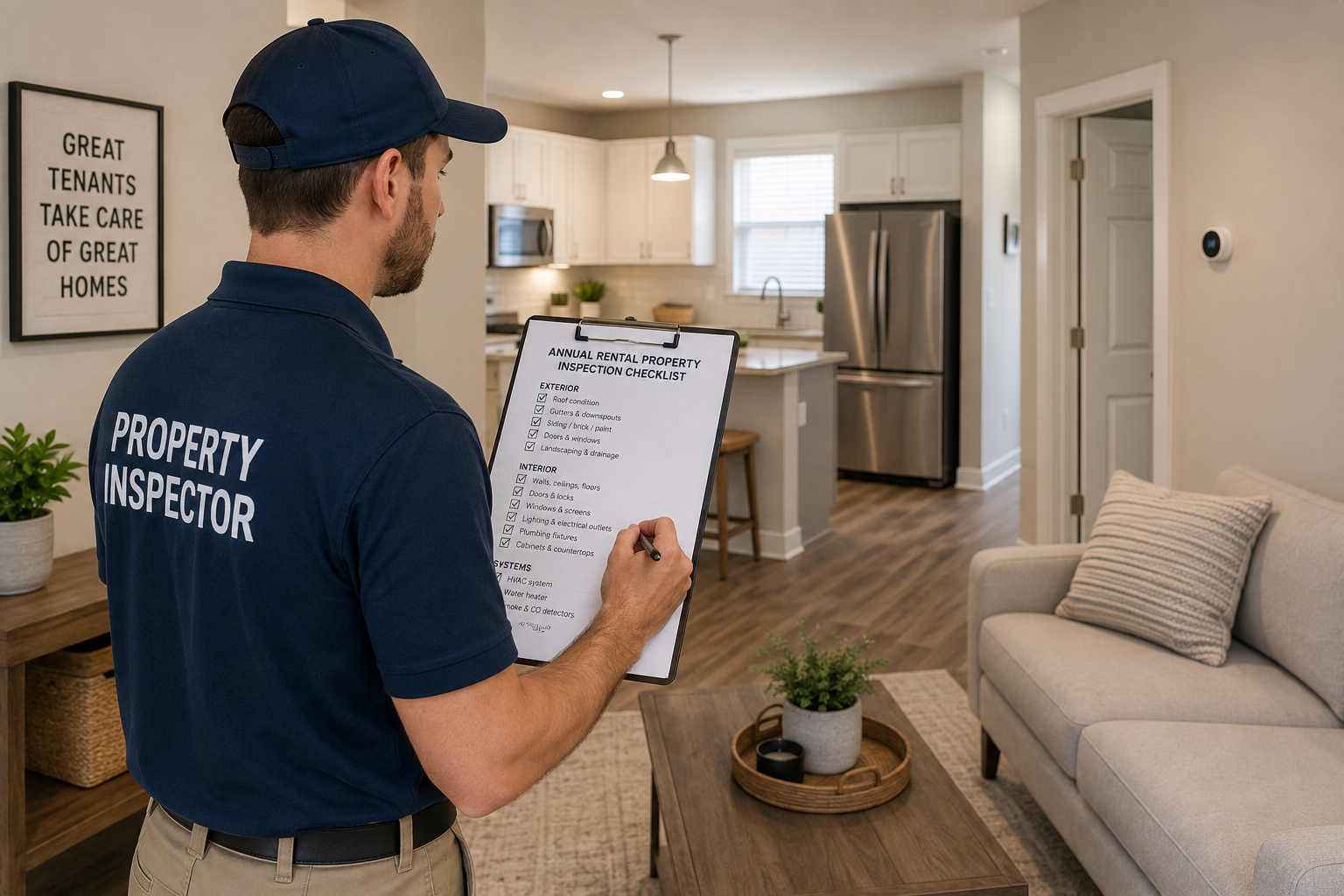
A full walkthrough inspection, at minimum once a year, catches the issues that don’t announce themselves the way a broken appliance does. Roof condition, foundation settling, plumbing behind walls, electrical panel wear, these are the expensive systems that fail slowly and quietly until they don’t. Document every inspection with dated photos and notes, both for your own maintenance log and as protection if a warranty claim or dispute ever requires proof of due diligence.
This is also the point where a preventive schedule earns its keep as a retention tool, not just a repair-cost tool. A tenant who sees a landlord proactively maintaining a property, rather than only showing up after something breaks, is a tenant more likely to renew.
Seasonal: Exterior, Gutters, and Weather-Specific Checks
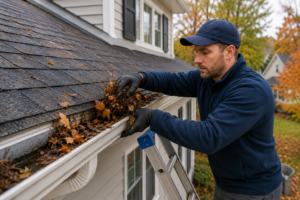
Fall and spring each carry their own seasonal checklist. Before winter: gutters cleared, exposed pipes insulated, furnace ignition and flame sensor tested, and smoke and carbon monoxide detectors verified on every unit. Before summer: AC systems tested well ahead of the first heat wave, not during it, and exterior drainage checked ahead of storm season.
Older housing stock, common throughout Philadelphia and Pittsburgh, tends to need this seasonal attention more than newer construction. Original plumbing, older insulation, and aging rooflines all show wear faster, which makes the seasonal check less optional and more load-bearing for properties built before modern building standards.
Reactive vs. Preventive: What the Schedule Actually Buys You
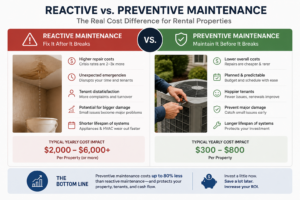
| Approach | Typical Cost | Tenant Experience | Predictability |
|---|---|---|---|
| Preventive (scheduled) | Lower, budgeted in advance | Fewer disruptions, higher satisfaction | High, costs are known ahead of time |
| Reactive (break-fix) | 3-5x higher, often at emergency rates | Frequent disruptions, lower satisfaction | Low, costs arrive unpredictably |
The gap isn’t marginal. It’s the difference between a maintenance line item you can plan around and one that shows up as a surprise every time.
Getting Started: Building Your Own Schedule
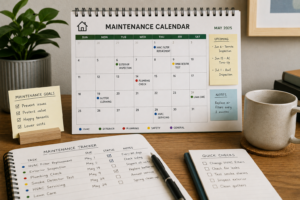
Start with the monthly filter check. It’s the cheapest, most-skipped item on the list, and the one with the clearest return.
Lock in bi-annual HVAC servicing before the season starts, not during it. Scheduling ahead avoids the emergency-rate premium and the tenant disruption of a mid-season breakdown.
Put the annual full inspection on a fixed calendar date. A schedule that depends on remembering to do it eventually stops happening.
Keep a dated maintenance log for every property. Beyond warranty claims, a documented history helps you spot patterns, like a system that’s needed three service calls in two years and may be nearing replacement.
Ready to Put This on Autopilot?
If tracking a preventive schedule across your properties feels like one more thing competing for your time, that’s exactly the kind of system professional maintenance coordination is built to run in the background.
Frequently Asked Questions
How often should HVAC filters be changed in a rental property?
Most filters should be checked monthly and replaced every 30 to 90 days depending on filter size and occupancy. High-traffic properties or those with pets typically need more frequent changes than the standard schedule.
How much cheaper is preventive maintenance than reactive repairs?
Reactive repairs, made only after something breaks, typically cost 3 to 5 times more than the same work done proactively, once emergency service premiums, secondary damage, and lost rent from extended repairs are factored in.
How often should a rental property get a full inspection?
At minimum once a year, with additional walkthroughs recommended at move-in and move-out. Annual inspections catch slow-developing issues, like roof wear or plumbing problems, before they become costly emergencies.
Does bi-annual HVAC servicing actually reduce emergency calls?
Yes. Properties following a strict bi-annual, spring and fall, professional HVAC servicing schedule have reported reductions in emergency HVAC calls as high as 60% compared to reactive-only maintenance.
What maintenance tasks are most important for older rental properties?
Older housing stock, common in Philadelphia and Pittsburgh, typically needs more attention to plumbing, insulation, and roofline condition than newer construction. Seasonal checks before winter and summer become more critical as building age increases.
Should tenants be responsible for any preventive maintenance tasks?
Some tasks, like HVAC filter replacement, can be delegated to tenants with clear instructions and the correct filters provided. More technical tasks, like professional HVAC servicing and full property inspections, should remain the owner’s or property manager’s responsibility.
How Rentwell Helps Owners Make This Shift
This is the exact shift Rentwell builds for owners across Philadelphia and Pittsburgh: leasing systems that fill vacancies on a predictable schedule, a maintenance program that catches issues before they get expensive, and owner reporting that answers the question before it gets asked. Owners get their hours back, and they get them back with a clearer picture of how each property is actually performing.
If self-managing is starting to feel like a second job instead of an investment, a second set of eyes on the setup costs nothing.
Rentwell is a full-service property management company serving Philadelphia, Pittsburgh, West Chester, and the surrounding Pennsylvania communities. With offices in Clifton Heights, Pittsburgh, and West Chester, Rentwell helps real estate investors protect their assets, reduce operational stress, and build long-term wealth through professional property management.